SESSION INTRO

DAY 2 : Session 4-6

The second day of the forum explores strategies for Korea’s growth in an era of uncertainty. Discussions examine how a “New Manufacturing Alliance” among Korea, Japan, and Taiwan can help build an East Asian industrial ecosystem, and how Korea can secure a decisive technological edge amid the AI revolution. The forum also considers ways to build on the global appeal of K-culture to advance a “K-Consensus.”


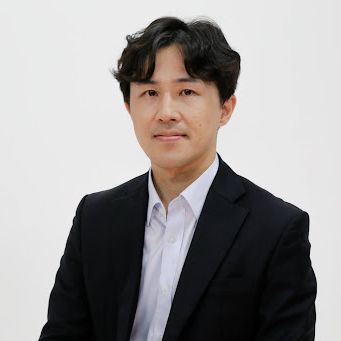
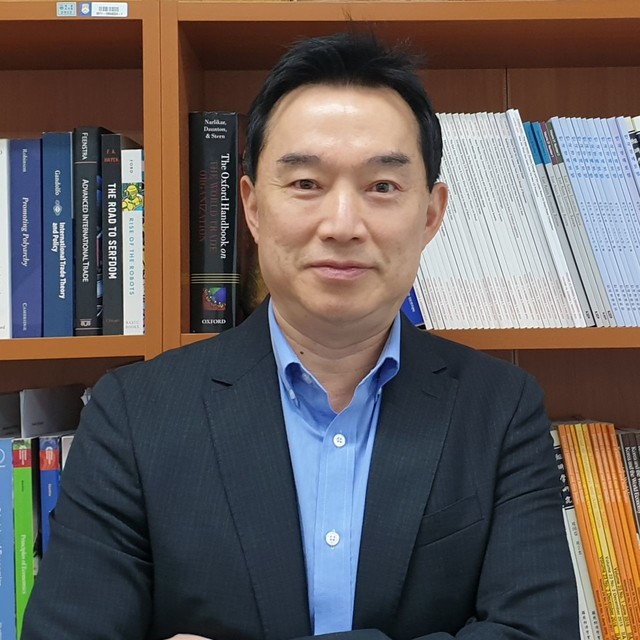
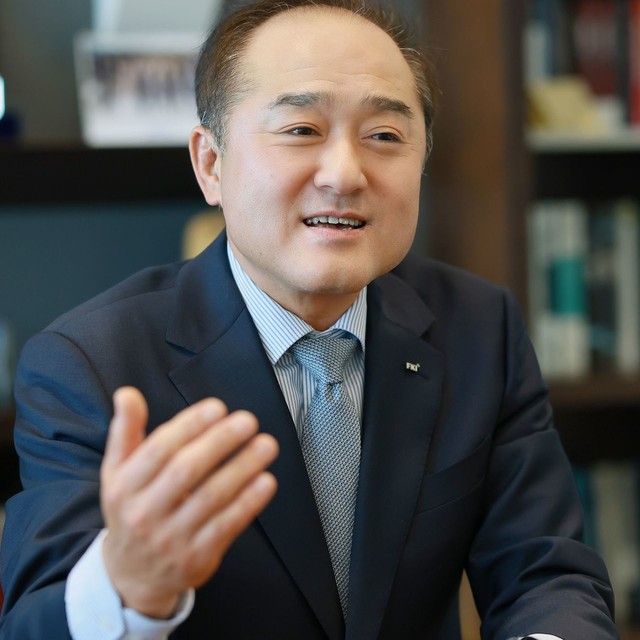
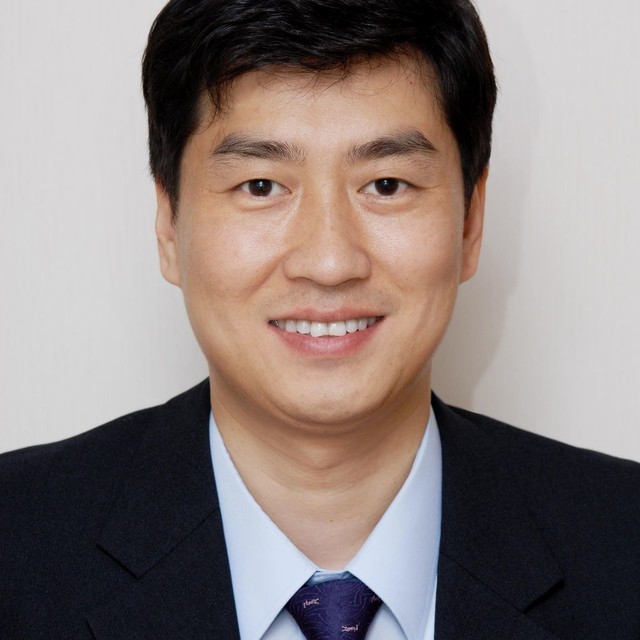
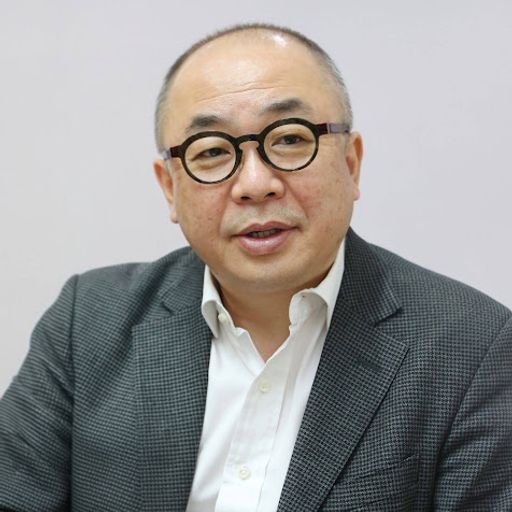
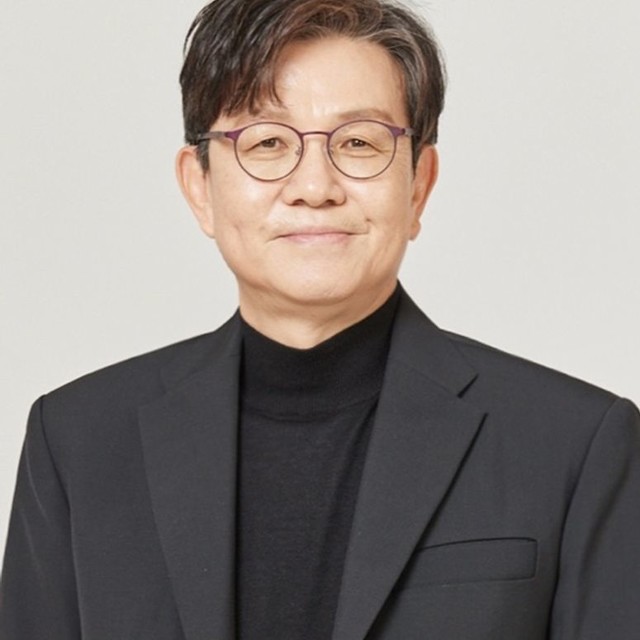
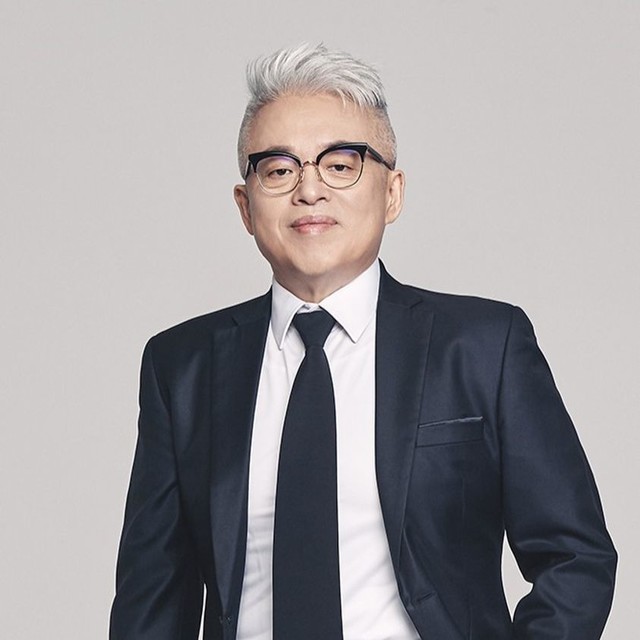
As global supply chains are being restructured around nation-first policies, this session examines the need for strategic solidarity and a division of roles among South Korea, Japan and Taiwan, East Asia's hubs of advanced manufacturing. It discusses various forms of economic cooperation, including a trilateral "manufacturing alliance," and proposes directions for a joint response to geopolitical risks and for building an East Asian industrial ecosystem.

| Speakers

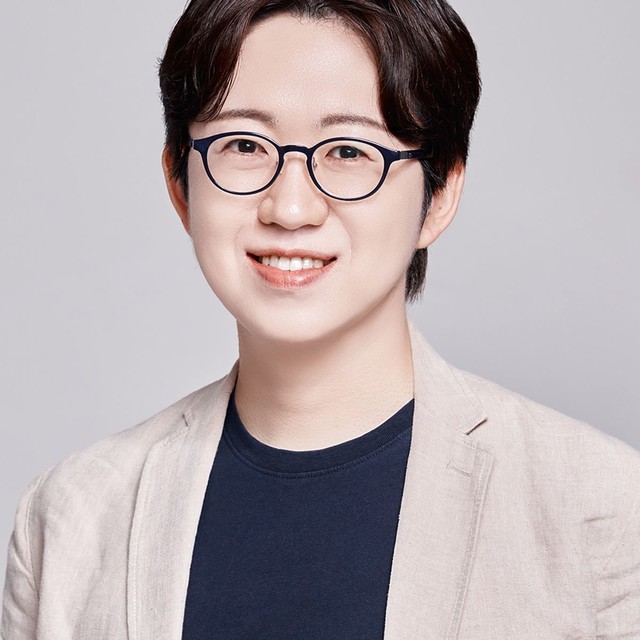
Yoon Heo

Director of Sogang World Trade Institute

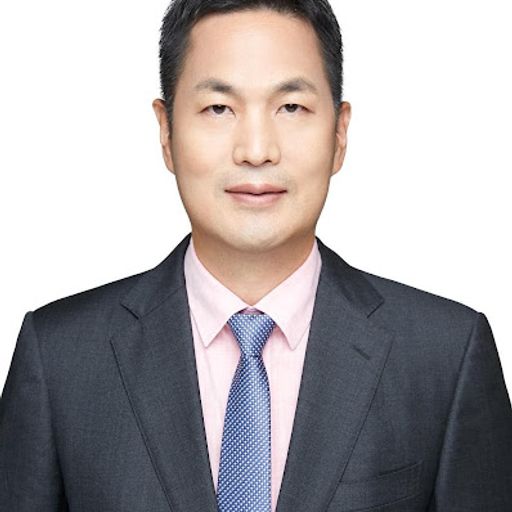
Chul Chung  

President of Korea Economic Research Institute (KERI)

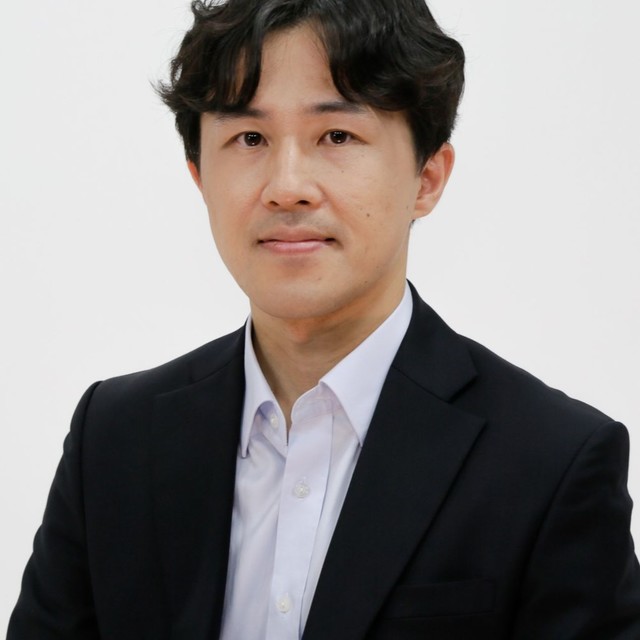
Kazuto Suzuki

Director of the Institute of Geoeconomics at International House of Japan

Hsien-Ming, Lien
President of Chung-Hua Institution for Economic Research (CIER)

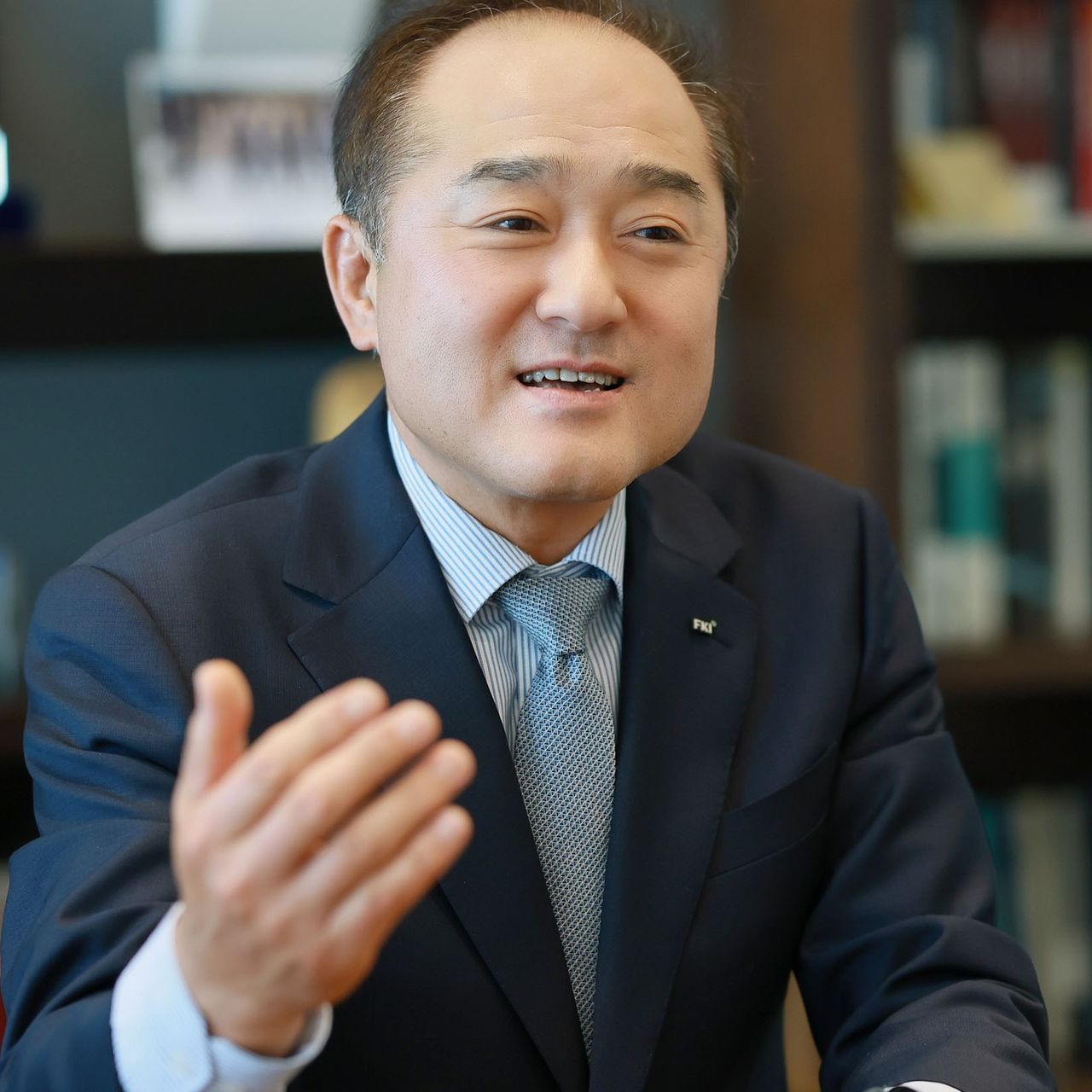
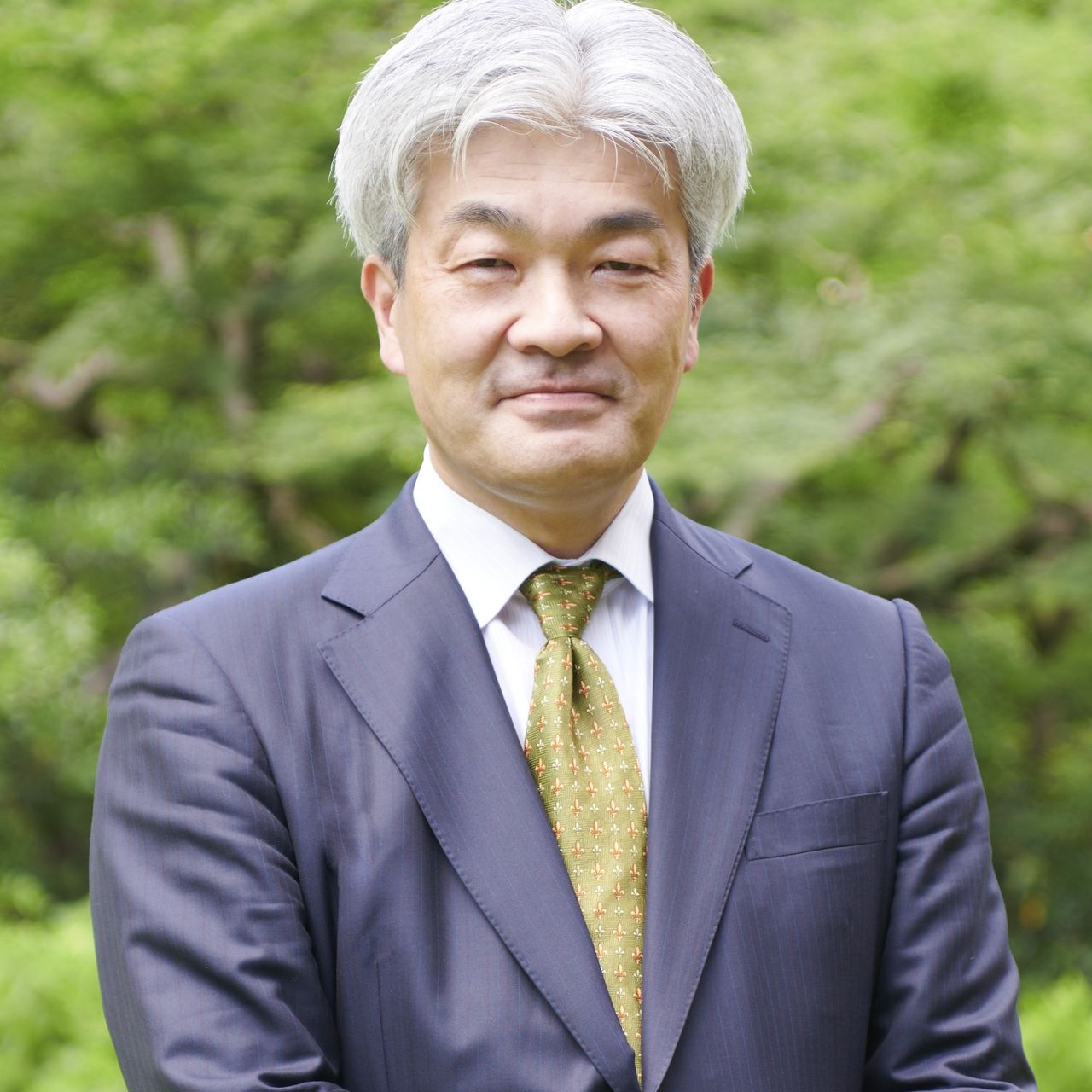
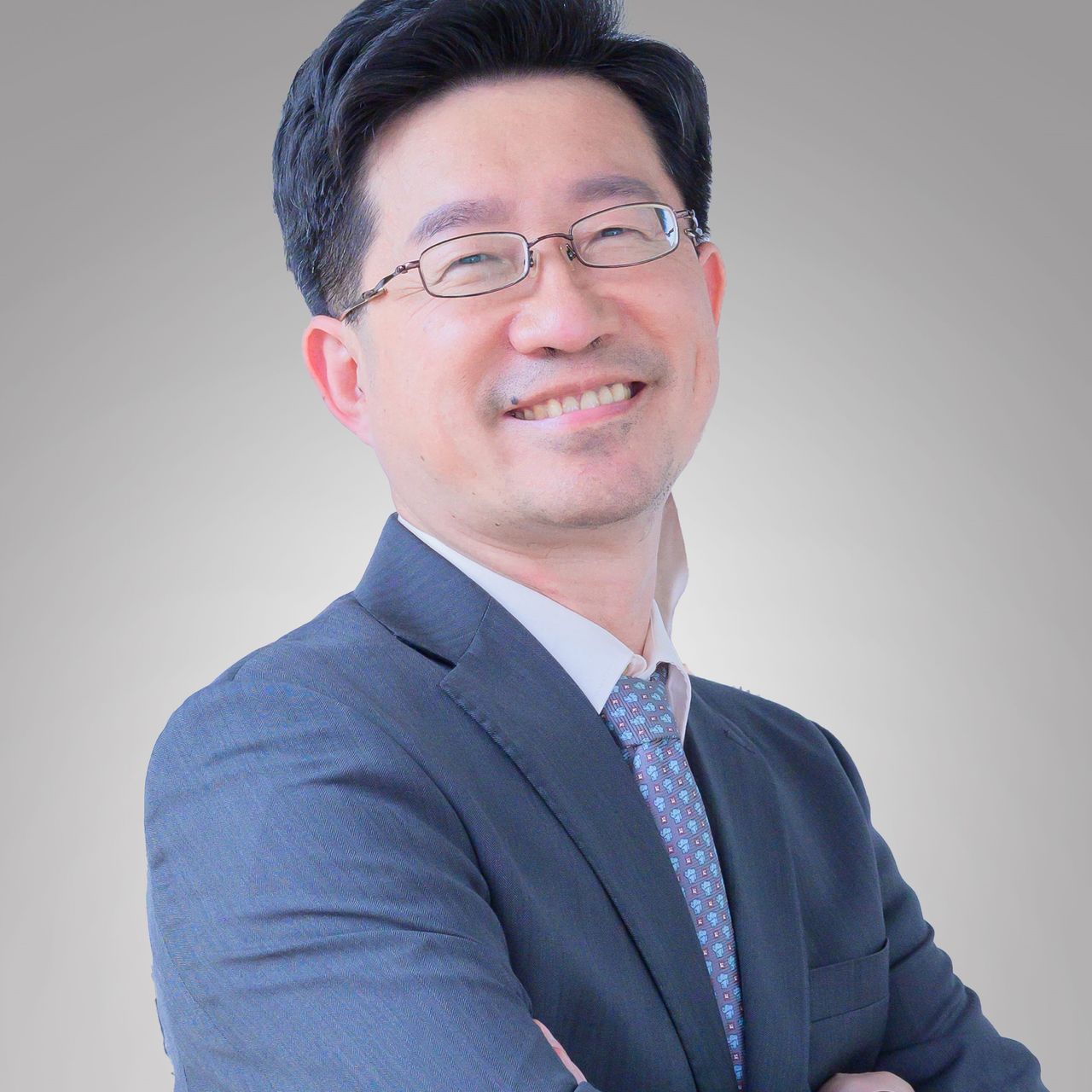
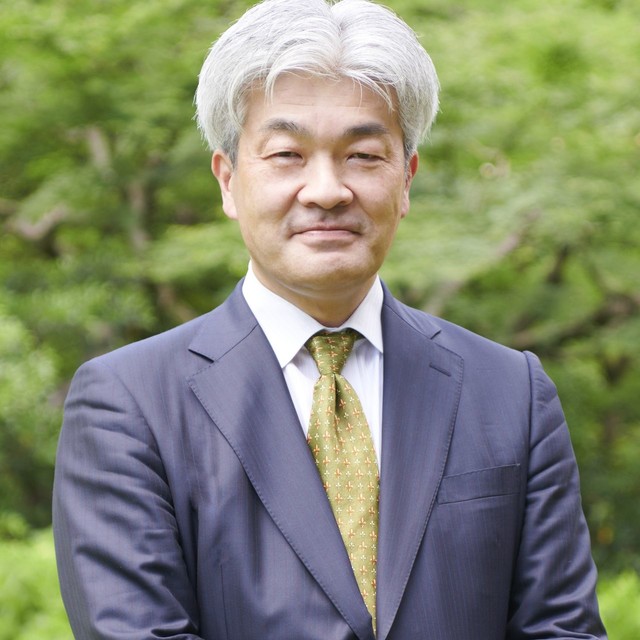
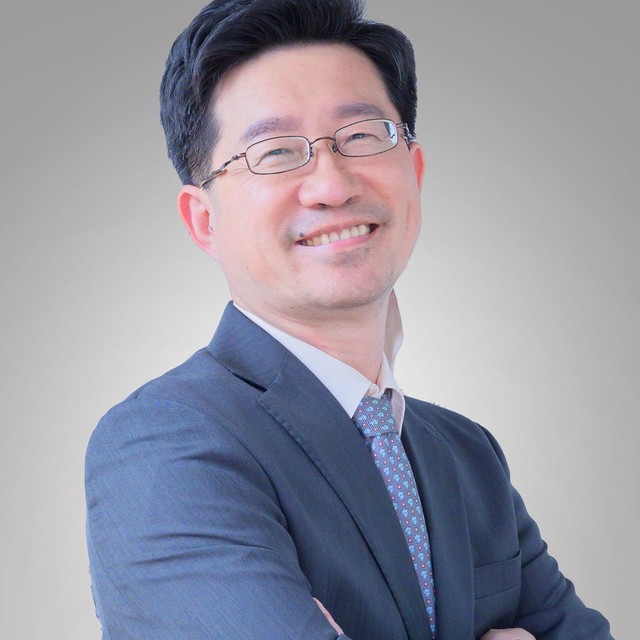
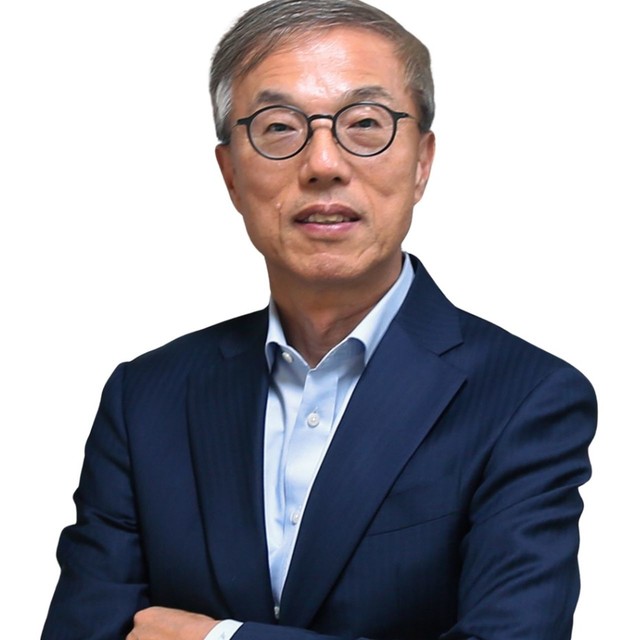
As generative AI grows and digital transformation sweeps across industries, this session analyzes and forecasts the changes these shifts will bring to the global semiconductor market and national industrial structures. It examines from multiple angles the ripple effects of the AI revolution on semiconductors and other key industries, and proposes national strategies to secure an unrivaled competitive edge and create new engines of future growth.

| Speakers

Bahk, Sae Woong

President of Electronics and Telecommunications Research Institute (ETRI)

Byoungsoo Kim

CEO of ROBOTIS

Song Chong

Head of the KAIST Kim Jaechul Graduate School of AI 

Jaehyouk Choi

Professor at Seoul National University

In this era of great transformation, this session sheds light on South Korea's soft power, including K-culture, which has emerged as a key asset that helps offset security crises. It analyzes ways to elevate South Korea's standing in the international community by leveraging its cultural and strategic assets, and presents the global pivotal role South Korea should play in a reshaping world order.

| Speakers

LEE JANGWOO

President of World Cultural Industry Forum (WCIF)

Romain Duval

Assistant Director in the European Department of the IMF

Aram Baek

Founder & CEO of Nurihaus Inc.

Kyu Hak Choi
Former Deputy Minister for Policy Management and Coordination Office, Ministry of Culture, Sports and Tourism

Defining medical care, health and beauty as "K-Care," this session presents it as a new competitive edge for Korean tourism. It analyzes the challenges of developing K-Care into a flagship tourism model and explores solutions. It also discusses directions and strategies for Korean tourism to move beyond quantitative growth toward qualitative growth.

| Speakers

Seo WonSeok

President of The Tourism Sciences Society of Korea

Jinkuk Kim
President of the Korea Medical Tourism Promotion Association

BYEONG-CHEOL LEE
Professor at Kyonggi University

Haemin Yim
Founding CEO of Creatrip Inc. 

Jun Heo
Professor at Dongduk Women's University

As physical AI advances and humanoid and wearable robots are deployed in earnest at industrial sites, the way we work and industrial ecosystems are changing rapidly. This session examines how far robots are actually being applied in industry, assesses the competitiveness of South Korea's robot hardware and control technologies, and analyzes the challenges in securing global competitiveness. It also forecasts the changes that human–robot collaboration will bring and explores new directions for industrial workplaces as technology advances.

| Speakers

Yongseok Seo 

Professor at KAIST Moon Soul Graduate of Future Strategy

Kyoungchul Kong

Chairperson, Angel Robotics

KIM JONGMOON

Director of Korea Innovation Center China (KIC China)

Jongin Lee

CEO, Jeju Boromwat 

Han, Joseph

Head of the Education & Labor Innovation Research Unit, Korea Development Institute (KDI)

※ Program and speakers are subject to change. 


DAY 2 : Session 4-6

The second day of the forum explores strategies for Korea’s growth in an era of uncertainty. Discussions examine how a “New Manufacturing Alliance” among Korea, Japan, and Taiwan can help build an East Asian industrial ecosystem, and how Korea can secure a decisive technological edge amid the AI revolution. The forum also considers ways to build on the global appeal of K-culture to advance a “K-Consensus.”

As global supply chains are being restructured around nation-first policies, this session examines the need for strategic solidarity and a division of roles among South Korea, Japan and Taiwan, East Asia's hubs of advanced manufacturing. It discusses various forms of economic cooperation, including a trilateral "manufacturing alliance," and proposes directions for a joint response to geopolitical risks and for building an East Asian industrial ecosystem.


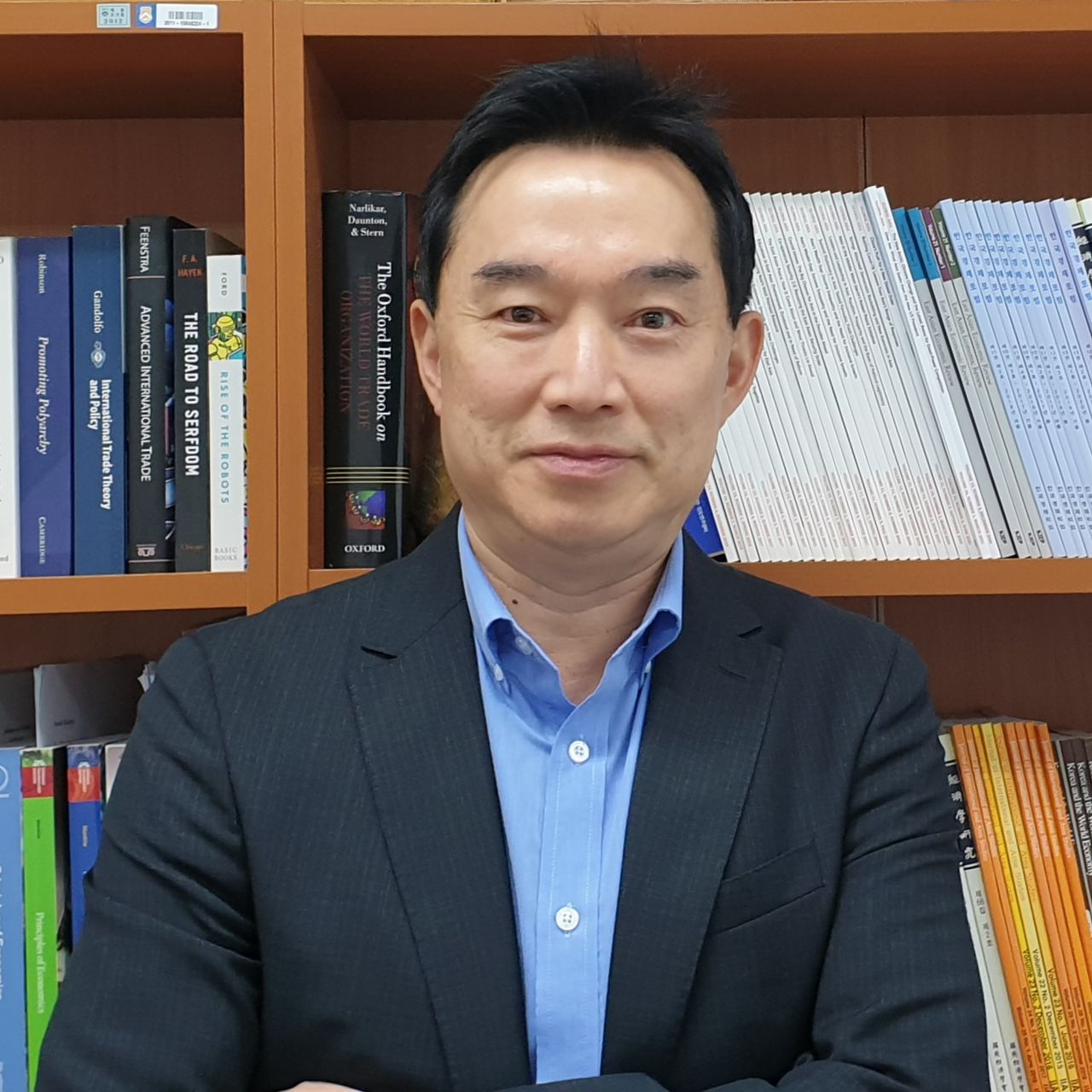
| Speakers

Yoon Heo 

Director of Sogang World Trade Institute

Chul Chung 

President of Korea Economic Research Institute (KERI)

Kazuto Suzuki

Director of the Institute of Geoeconomics at International House of Japan

Hsien-Ming, Lien
President of Chung-Hua Institution for Economic Research (CIER)

As generative AI grows and digital transformation sweeps across industries, this session analyzes and forecasts the changes these shifts will bring to the global semiconductor market and national industrial structures. It examines from multiple angles the ripple effects of the AI revolution on semiconductors and other key industries, and proposes national strategies to secure an unrivaled competitive edge and create new engines of future growth.

| Speakers

Bahk, Sae Woong

President of Electronics and Telecommunications Research Institute (ETRI)

Byoungsoo Kim

CEO of ROBOTIS

Song Chong

Head of the KAIST Kim Jaechul Graduate School of AI

Jaehyouk Choi

Professor at the Department of Electrical and Computer Engineering at Seoul National University

In this era of great transformation, this session sheds light on South Korea's soft power, including K-culture, which has emerged as a key asset that helps offset security crises. It analyzes ways to elevate South Korea's standing in the international community by leveraging its cultural and strategic assets, and presents the global pivotal role South Korea should play in a reshaping world order.

| Speakers

LEE JANGWOO

President of World Cultural Industry Forum (WCIF)

HYUNGSUK KIM

Music Producer 

Aram Baek

Founder & CEO of Nurihaus Inc.

Kyu Hak Choi
Former Deputy Minister for Policy Management and Coordination Office, Ministry of Culture, Sports and Tourism

Defining medical care, health and beauty as "K-Care," this session presents it as a new competitive edge for Korean tourism. It analyzes the challenges of developing K-Care into a flagship tourism model and explores solutions. It also discusses directions and strategies for Korean tourism to move beyond quantitative growth toward qualitative growth.
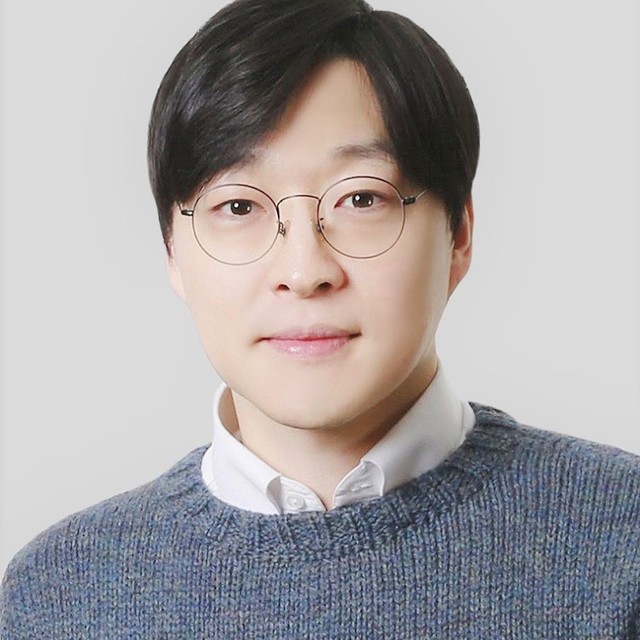


| Speakers

Seo WonSeok

President of The Tourism Sciences Society of Korea

Jinkuk Kim

President of the Korea Medical Tourism Promotion Association

BYEONG-CHEOL LEE
Professor at Kyonggi University

Haemin Yim

Founding CEO of Creatrip Inc.

Heo Jun
Professor at Dongduk Women's University


As physical AI advances and humanoid and wearable robots are deployed in earnest at industrial sites, the way we work and industrial ecosystems are changing rapidly. This session examines how far robots are actually being applied in industry, assesses the competitiveness of South Korea's robot hardware and control technologies, and analyzes the challenges in securing global competitiveness. It also forecasts the changes that human–robot collaboration will bring and explores new directions for industrial workplaces as technology advances.


| Speakers

Yongseok Seo  

Professor at KAIST Moon Soul Graduate of Future Strategy

Kyoungchul Kong 

Chairperson, Angel Robotics

KIM JONGMOON

Director of Korea Innovation Center China (KIC China)

Jin Jeon

Chief Executive Officer, BRILS

Han, Joseph

Head of the Education & Labor Innovation Research Unit, Korea Development Institute (KDI)

※ Program and speakers are subject to change.